CONTACT
 gallery
 facebook
 instagram
 youtube
 twitter
Healthy Reefs
- overview
- key results
- REPORT cards
- sponsors & partners
overview
Long Term Records to Strengthen Our Understanding of Coral Resilience
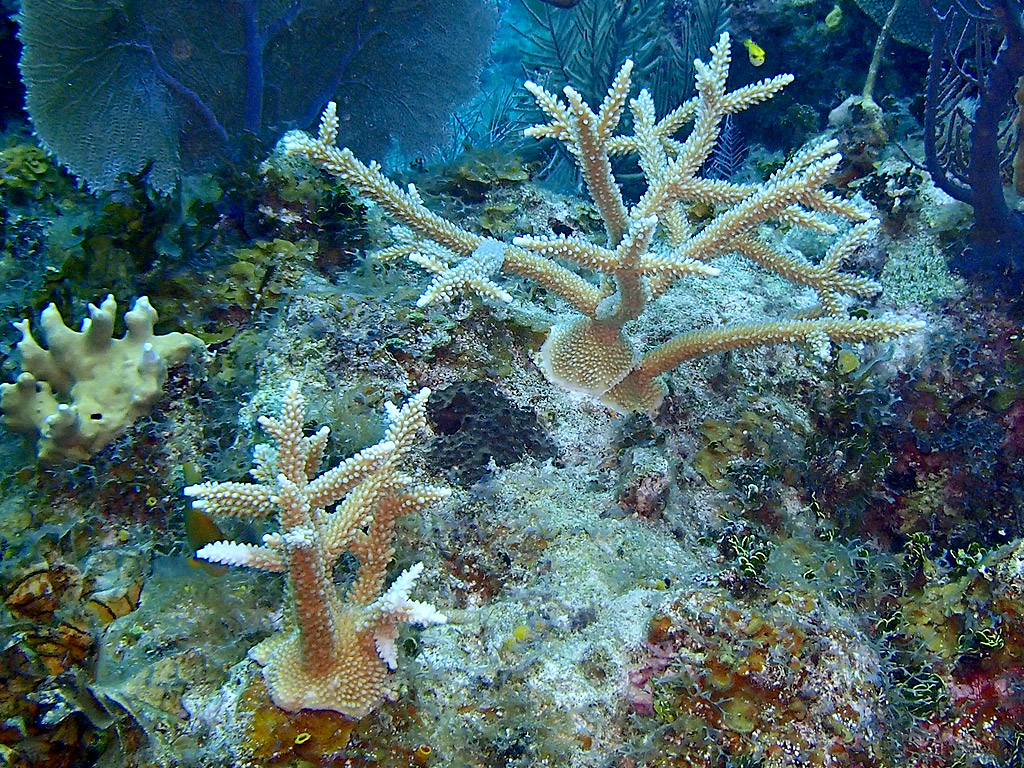
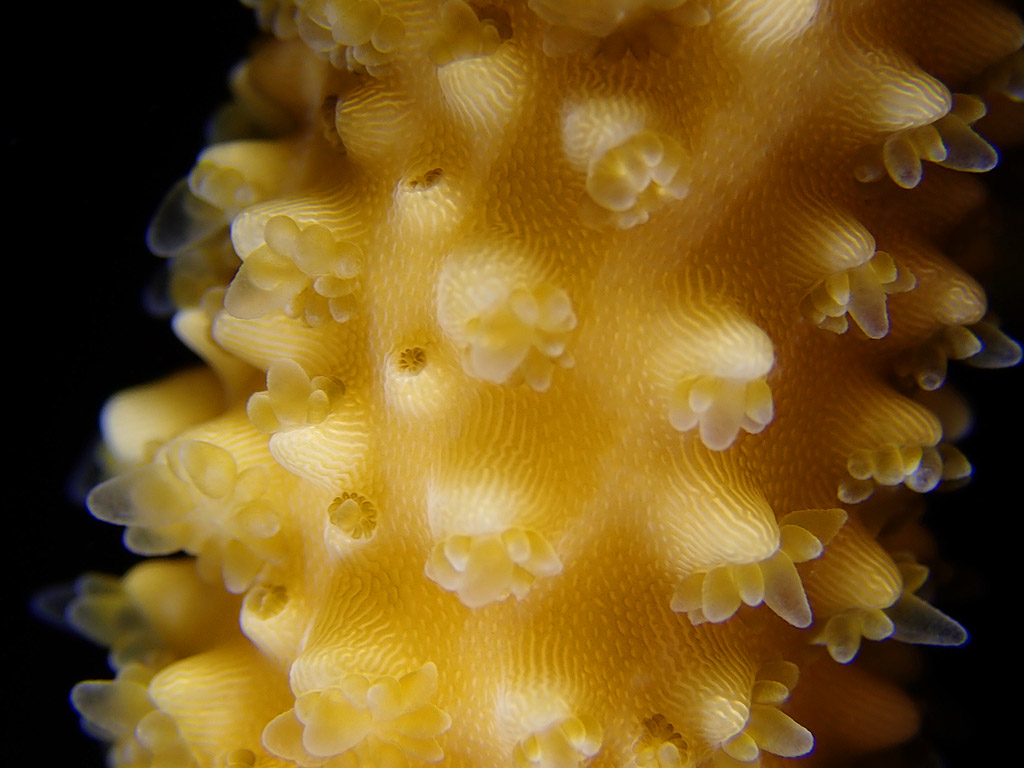
Coral reefs are the largest mass of construction workers on the face of the earth. They are natural architects in the shallow sea but only remain productive when juvenile corals are able to survive after recruitment onto the reef. At every dive location on the reef around Little Cayman, we see evidence of recruitment. This is a good sign for the future.
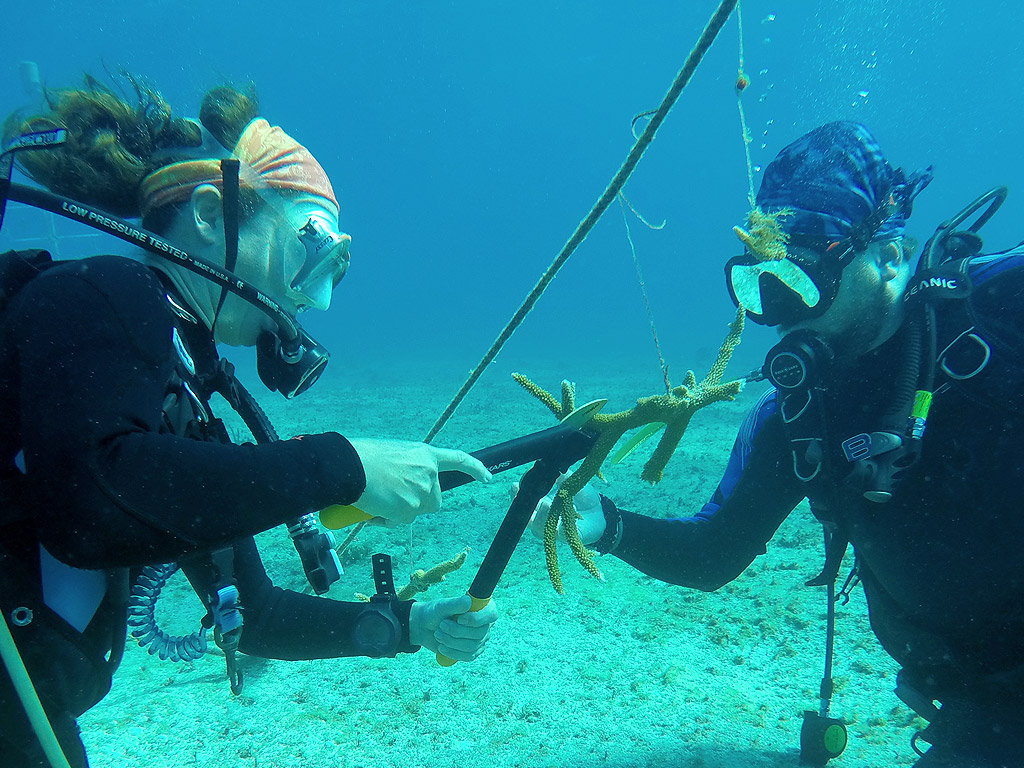
Using the AGRRA (Atlantic and Gulf Rapid Reef Assessment) protocol and collecting additional recruitment data, this project investigates the potential for juvenile corals to survive and replenish the local reefs. Results from this work will help generate an understanding of the mechanisms that are driving reef resilience.
AGRRA data on the benthic habitat and fish populations surrounding Little Cayman has been collected regularly since 1999. As CCMI researchers continue to collect this data annually, notes, reports, and peer reviewed journal articles are available online to scientists, policy-makers, and the general public. These surveys document patterns of local change over the last two decades and enable regional comparisons through the Healthy Reef Framework developed for evaluating the Mesoamerican Barrier Reef.
Read the results from the 2025 Little Cayman Reef Report Card (released April 2026).
Read the results from the 2024 Little Cayman Reef Report Card (released 2025).
key results
from the latest Little Cayman Reef Report Card 2025
- 2024 data revealed the true impact of the 2023 bleaching event. This year is the first that we are seeing some positive signs. Coral cover has increased overall from 9.8% to 13.4%, although this is not yet significant.
- Site specific analysis revealed 20% of sites surveyed showed a significant increase in coral cover from 2024 to 2025, with an additional site, Coral City, showing high resilience to bleaching, exhibiting no significant loss and maintaining stable coral cover throughout the bleaching period.
- In total, 30% of sites have either maintained pre-bleaching coral levels or demonstrated significant recovery this year, whereas the other 70% of sites either show minor, non-significant recovery (40%) or no recovery at all (30%).
- The number of sites characterised as “poor” condition (5-10% coral cover) doubled since 2024, where three sites that previously had 10-18% cover fell below 10% in 2025. Conversely, two sites that were categorised as good in 2024 showed improvement to the good+ category (25-30%).
- Seeing any signs of recovery this early post disturbance is a good sign; typically no signs of recovery are observed before three years post-disturbance.
- Fish populations have thrived in recent years, showing consistent increases since 2016 and a dramatic increase in density and biomass in 2024, which was maintained through 2025. Post-bleaching in 2024, large increases were recorded in herbivorous fish, particularly parrotfish. These numbers remained stable through 2025.
Read the full results from the 2025 Little Cayman Reef Report Card (released April 2026).
In 2023, the world’s reefs experienced the fourth global coral bleaching event, which significantly impacted Little Cayman’s reefs. You can read more about the impact of this bleaching event in the 2023/24 coral bleaching report card.
report cards
View the reports by release year below
2026 – Little Cayman Reef Report Card
2025 – Little Cayman Reef Report Card
2024 – Little Cayman Reef Report Card
2023- Little Cayman Reef Report Card
2022- Little Cayman Reef Report Card
2021- Little Cayman Reef Report Card
2020- Coral Reef Resilience Over Two Decades at Little Cayman Island | Reef Report Card
2019- 20 Year Report on the Status and Trends of the Coral Reefs in the Cayman Islands 1999 – 2018
2013 – A Positive Trajectory for Corals at Little Cayman Island
2007 – Coral community decline at a remote Caribbean island: Marine no-take reserves are not enough
2003 – Status of coral reefs of Little Cayman, Grand Cayman and Cayman Brac
sponsors & partners
- Headline
- platinum
- silver
- partners