CONTACT
 gallery
 facebook
 instagram
 youtube
 twitter
Parrotfish Spawning Research
- overview
- Spawning Project
overview
Understanding and Protecting Parrotfish in the Cayman Islands (2026)
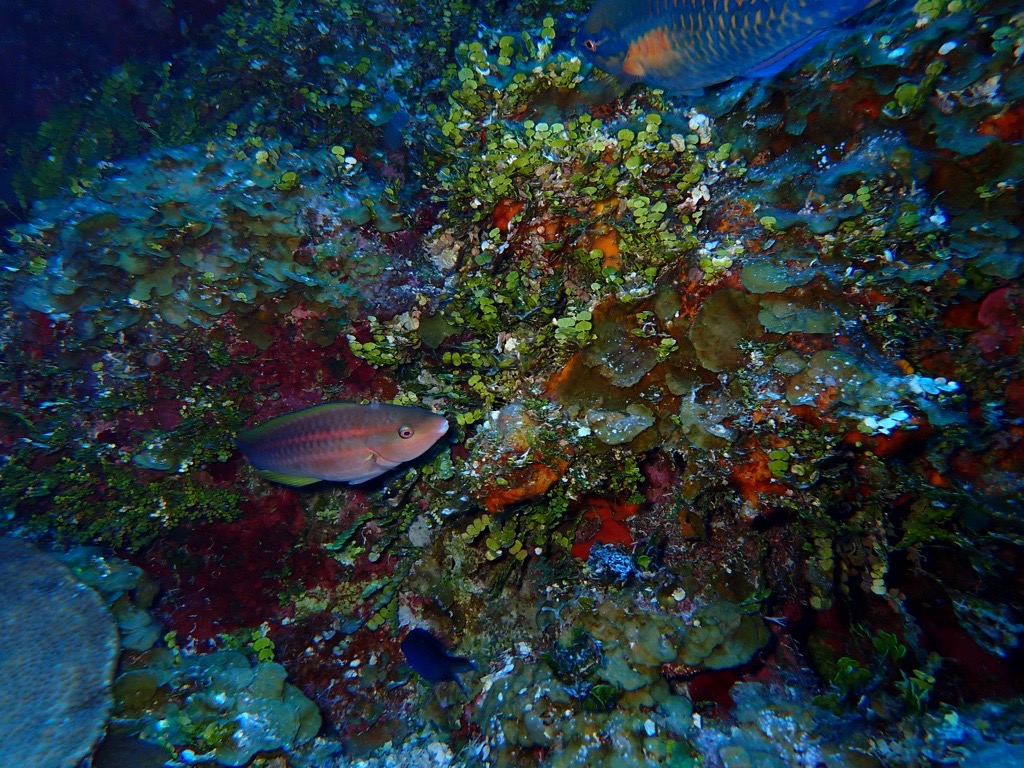
Parrotfish play a vital role in maintaining the health and resilience of coral reef ecosystems. As herbivores, they graze on algae that compete with corals for space and resources, helping to prevent algal overgrowth and creating conditions that support coral recruitment, growth, and recovery. In addition, some parrotfish species contribute to bioerosion and sediment production, further influencing reef structure and ecosystem function.
Despite their ecological importance, significant knowledge gaps remain regarding the reproductive ecology of Caribbean parrotfish, particularly their spawning behaviour, timing, and habitat preferences. Understanding where and when parrotfish reproduce is critical for informing conservation and fisheries management strategies, yet little information is available for many species throughout the region. In the Cayman Islands, no previous studies have specifically investigated parrotfish spawning behaviour or identified spawning aggregation sites. This project aims to address this knowledge gap by identifying potential parrotfish spawning sites around Little Cayman and characterizing the environmental and habitat features associated with these reproductive events. The findings will provide valuable baseline information to support the protection of essential reproductive habitats and contribute to the long-term conservation of both parrotfish populations and the coral reef ecosystems they help sustain.
According to CCMI’s Healthy Reefs Report Cards, parrotfish populations in Little Cayman have shown encouraging signs of recovery in recent years. Parrotfish density has steadily increased since 2019, with a significant rise observed between 2023 and 2024. This upward trend highlights the growing ecological significance of parrotfish within local reef systems and underscores the importance of improving our understanding of their reproductive ecology. As populations continue to recover, identifying and protecting key spawning habitats may play an important role in sustaining these gains and ensuring the continued resilience of Little Cayman’s coral reefs.
This research is sponsored by a private donor managed by Alexandria Bank Corporation.
Spawning Project
To guide site selection for the project, an initial list of 25 reef sites around Little Cayman were evaluated for parrotfish abundance, male-to-female ratios, and notable reef structures that may influence spawning behaviour. From this assessment, nine priority sites were selected for further investigation.
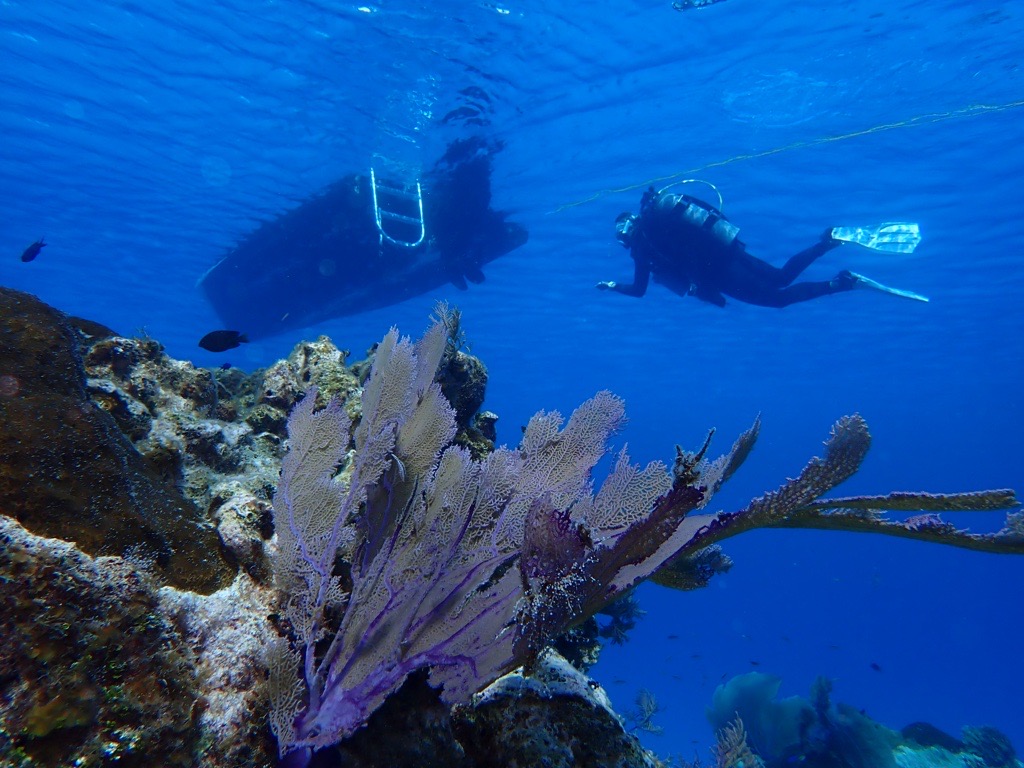
Following site selection, detailed Habitat Assessment Score (HAS) surveys were conducted at each of the nine priority locations. These assessments were designed to characterise and categorise reef habitat features, including structural complexity and rugosity. Previous research has suggested that spawning aggregations may be linked to specific reef characteristics, with fish often selecting sites that provide particular topographic features or habitat conditions. By documenting these habitat attributes, the project aims to better understand whether certain reef structures are associated with spawning activity and to identify habitat features that may be important for future conservation planning.
From these surveys, a handful of sites will be chosen for targeted underwater surveys to be conducted around the summer new moon periods. These surveys are aimed to document spawning activity and behavioural observations linked to spawning. The findings will help identify important spawning habitats and provide science-based recommendations to support marine spatial planning, fisheries management, and long-term conservation of Cayman Islands reef ecosystems.