CONTACT
 gallery
 facebook
 instagram
 youtube
 twitter
Stony Coral Tissue Loss Disease
- overview
- Our Project
- sponsors
overview
Assessing the Distribution and Drivers of Stony Coral Tissue Loss Disease in the Cayman Islands
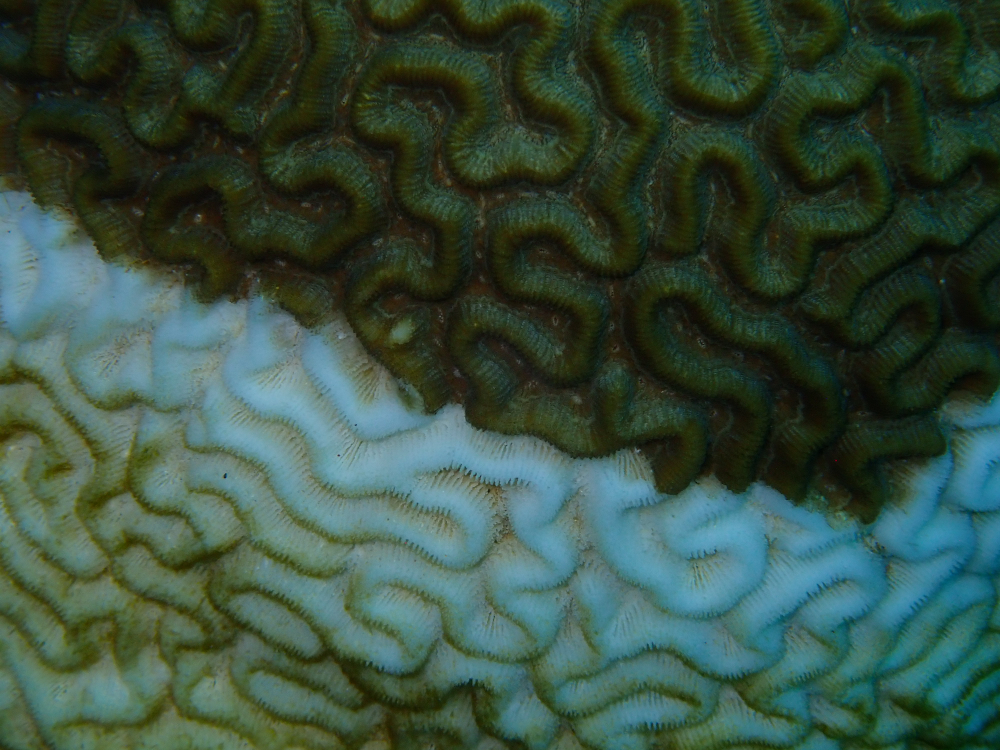
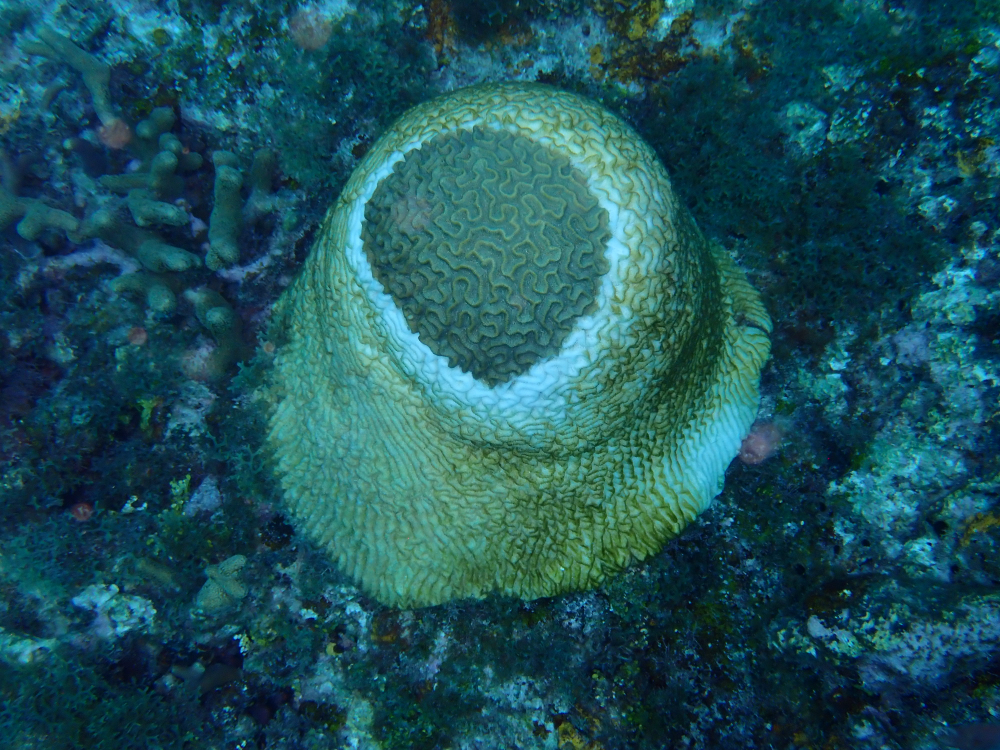
Stony coral tissue loss disease (SCTLD) is one of the most destructive coral diseases ever recorded in the Caribbean, affecting more than 20 reef-building species and capable of causing 100% mortality in highly susceptible taxa.
First detected in Florida in 2014, SCTLD differs from earlier white plague outbreaks in its wider host range, higher mortality rates, and rapid island-wide spread. Unlike many coral diseases, SCTLD is not associated with thermal stress, meaning outbreaks can begin and intensify at any time of year. Because the disease is believed to have a bacterial component and transmitted through the water column, it can move quickly across reef systems, overwhelming even otherwise healthy communities. Treatment options remain extremely limited, with topical antibiotics representing the only consistently effective intervention.
After appearing in Grand Cayman in 2020, SCTLD spread across the island’s reefs within a year, leading to dramatic declines in coral cover and local functional extinction of several species. In summer 2025, the first confirmed SCTLD outbreak was documented in Little Cayman – an island whose reefs are globally recognised for their exceptional condition and resilience. As the disease begins to establish itself, there is an urgent need for a clear, comprehensive understanding of its current extent, severity, and progression. Without this foundational information, resource managers cannot effectively plan targeted mitigation or allocate limited treatment capacity.
Our Project
This project will deliver the first island-wide assessment of SCTLD in Little Cayman and compare findings with existing data from Grand Cayman. By examining reefs both inside and outside Marine Protected Areas (MPAs), the project will investigate whether disease patterns are driven by local factors such as human activity, coastal development and protection status, or by broader environmental conditions.
Researchers will conduct comprehensive surveys around Little Cayman to map the distribution of SCTLD, measure disease prevalence and severity and monitor infected coral colonies over time. Using a combination of rapid reef assessments, detailed transect surveys and long-term monitoring of tagged colonies, the project will build a clear picture of how the disease is affecting reefs around the island. These findings will then be compared with existing datasets from Grand Cayman to identify differences in disease spread, severity and potential drivers. The study will also assess whether reefs inside MPAs show different disease patterns from those in unprotected areas.
Coral reefs are among the Cayman Islands’ most valuable natural resources, supporting marine biodiversity, fisheries, tourism, and coastal protection. Understanding where SCTLD is occurring, how severe it is, and what factors influence its spread is critical for developing effective management and mitigation strategies. By comparing disease patterns across islands and protection zones, the project will help identify coral species that are most vulnerable to SCTLD, reef sites at greatest risk, and areas where targeted interventions could have the greatest impact. The findings will also provide insight into whether existing marine protection measures improve reef resilience or whether broader environmental factors are the primary drivers of disease outbreaks.
The project will produce a comprehensive reef health report card that combines island-wide disease distribution maps with site-specific information on disease prevalence and severity. The analysis will identify high-risk reef areas, vulnerable coral species and patterns of disease progression, providing an evidence base for future management decisions. It will provide the Cayman Islands Department of Environment and other stakeholders with the scientific evidence needed to make informed decisions about coral reef conservation and disease management. The data generated will help prioritise monitoring efforts, guide targeted interventions and improve the allocation of resources for reef protection and restoration. The project will also establish a foundation for long-term monitoring through the identification of priority sites and tagged coral colonies that can continue to be assessed beyond the project’s lifetime. By supporting more effective responses to SCTLD, the work will contribute to preserving coral biodiversity, maintaining essential reef habitat for fish and other marine life, and strengthening the resilience of Cayman’s reefs for future generations.
Sponsor